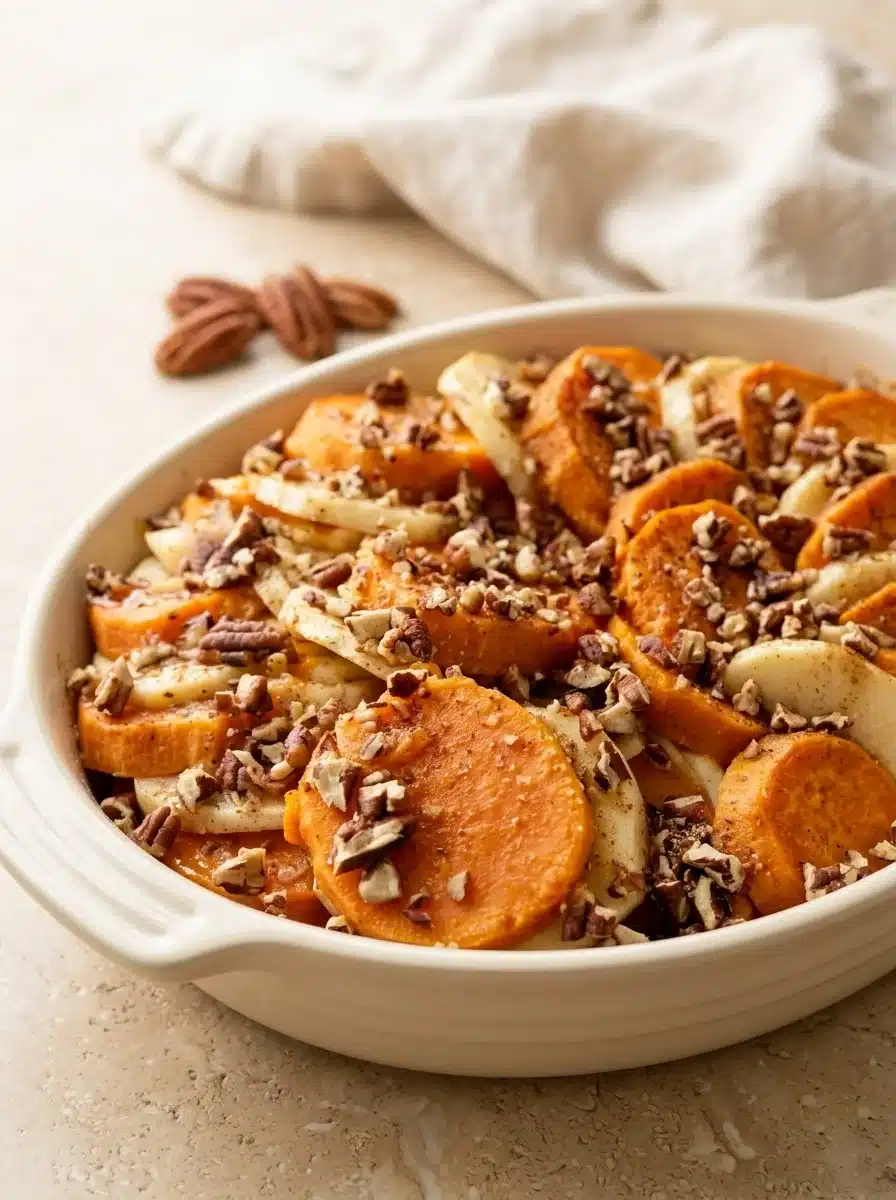
Craving a sweet breakfast that feels like a warm hug? These Vanilla French Beignets are golden, fluffy, and kissed with vanilla sugar. Light as air and ready in under an hour, they’re the perfect treat to make your kitchen smell like a Parisian café.
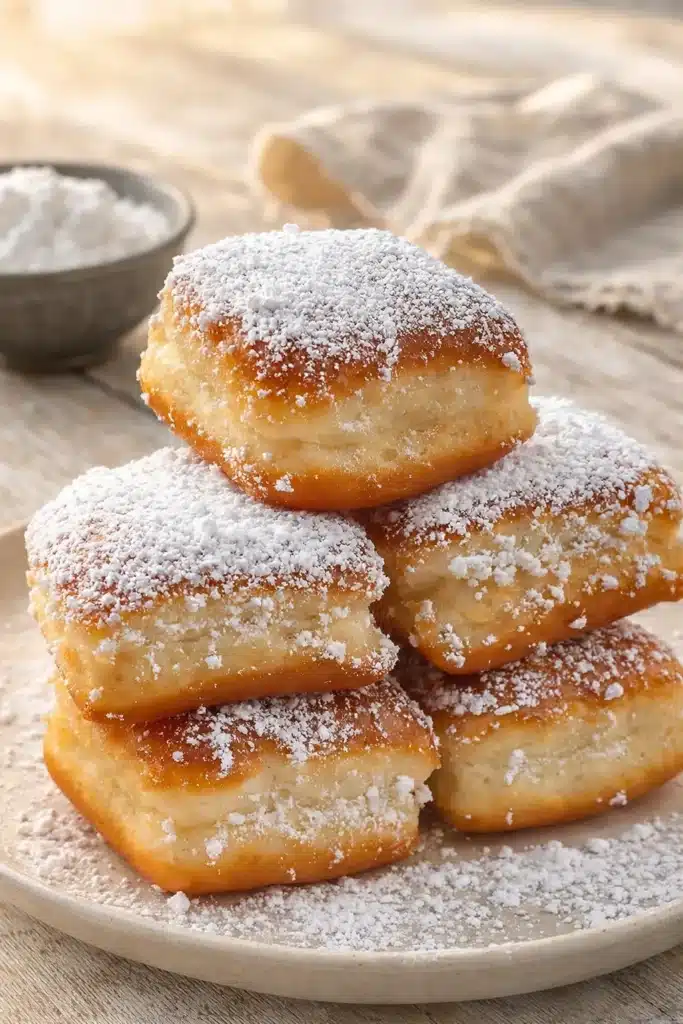
Table of Contents
What Makes These Vanilla French Beignets So Special
Vanilla French Beignets stand out for their rich, aromatic vanilla flavor and delicate, cloud-like texture. Each piece puffs beautifully when fried, giving that authentic beignet texture reminiscent of classic French-inspired breakfast pastry shops. The touch of vanilla extract enhances their sweetness without overpowering. Keeping your oil at a steady 350°F ensures a perfectly crisp exterior while the inside stays soft and airy. Handling the dough gently also preserves its lightness. Finally, a generous dusting of powdered sugar gives each beignet its signature snow-like finish. Whether served at brunch or as a weekend indulgence, they’re an irresistible reminder of New Orleans charm and French flair in one bite.
Ingredients You’ll Need
To make these soft Vanilla French Beignets, gather a few pantry basics. You’ll need 1 cup warm milk to activate the yeast, plus ¼ ounce active dry yeast and ¼ cup sugar for that balanced sweetness. Add one large egg, a teaspoon of vanilla extract, a pinch of salt, and ¼ cup melted unsalted butter to create richness. You’ll blend these into 3½–4 cups all-purpose flour for the perfect dough consistency. Use vegetable oil for frying and finish with powdered sugar for that classic touch. If you like, swap vanilla for almond extract or add a hint of lemon zest for brightness. Every ingredient works together to create a simple yet flavorful pastry you’ll love making at home.
Step-by-Step: How to Make Vanilla French Beignets
Activate the Yeast
Start by warming your milk until it feels slightly warmer than body temperature, about 105–115°F. Stir in the yeast and a small pinch of sugar, then let it sit for 5–10 minutes. You’ll know it’s ready when it looks foamy on top. If the mixture doesn’t bubble, your yeast may be inactive, so try again with a fresh packet. This step builds the foundation for that airy, pillowy texture that defines authentic French beignets.
Build the Dough
Once the yeast is active, whisk in the remaining sugar, egg, vanilla, salt, and melted butter. Gradually add flour, stirring until a soft dough forms. Turn it out on a lightly floured surface and knead until smooth and elastic, about 5–7 minutes. The dough should be soft but not sticky. Handle it gently; overworking can make it tough. You’ll notice how silky and fragrant the dough becomes — that’s the vanilla magic starting to shine.
Rise, Roll, and Cut
Place the dough in a greased bowl, cover it with a towel, and let it rise in a warm spot until doubled in size, about an hour. Once risen, gently deflate it and roll it out to about ¼ inch thick. Cut into 2–3 inch squares using a knife or cutter. Keeping the dough thickness even helps ensure they puff beautifully during frying.
Fry and Sugar
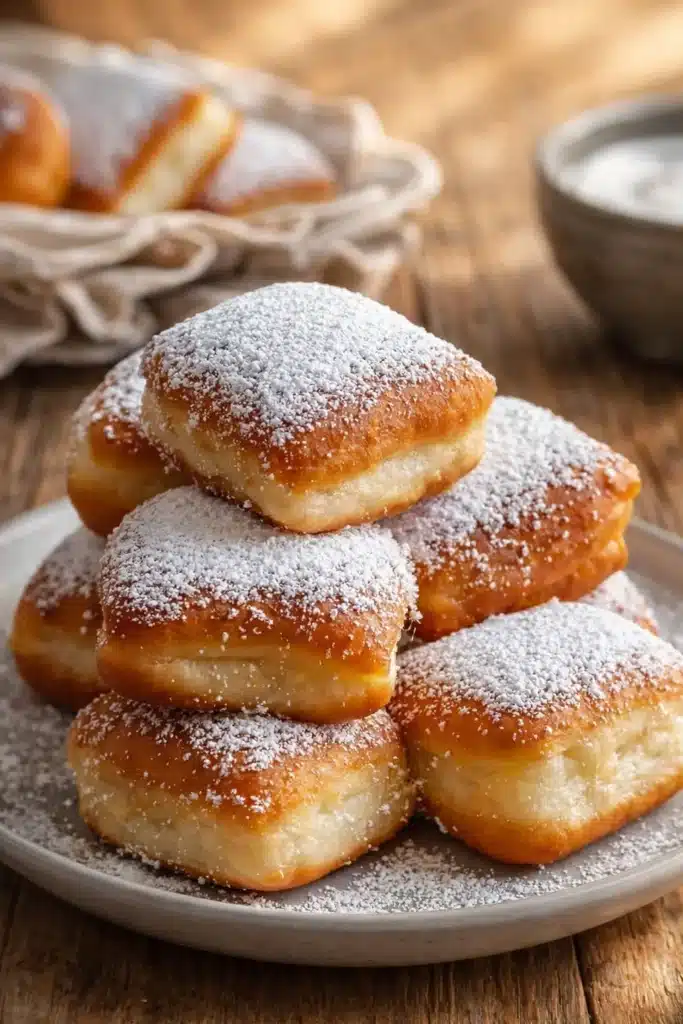
Heat vegetable oil to 350°F in a deep pot or fryer. Fry the dough pieces in small batches until they turn golden on each side, about 1–2 minutes per side. Turn them gently for even color. Remove and drain on paper towels. While still warm, dust with powdered sugar so it clings perfectly. The result? Light, sweet, and beautifully puffed Vanilla French Beignets ready to serve warm.
Pro Tips for the Best Beignets Every Time
Always monitor your oil temperature closely. If it’s too hot, the beignets will brown before cooking through; too cool, and they’ll absorb oil. Use a thermometer for consistency. Avoid adding too much extra flour when rolling to keep them soft and airy. Letting the dough rise fully makes a huge difference in texture. Dusting the sugar while warm helps it stick evenly and gives that signature café-style look. And don’t crowd your pot — frying in small batches ensures even puffing and color. Finally, enjoy them right away for the best flavor and crunch. These small details add up to a bakery-worthy finish every single time.
Variations You Can Try
If you love experimenting, try adding a pinch of nutmeg or cinnamon for a cozy twist. For a citrusy lift, mix in some orange or lemon zest with the dough. You can even swap vanilla for almond or coconut extract for a tropical flair. For a filled version, pipe pastry cream or fruit jam inside once cooled. These small tweaks keep the classic vanilla-forward flavor but give you fun new ways to enjoy this French-inspired breakfast pastry.
Tools and Equipment Guide
A few simple tools make this recipe easy. You’ll need a large mixing bowl, a whisk, and a sturdy wooden spoon for the dough. A rolling pin helps flatten it evenly, and a deep pot or fryer ensures consistent cooking. Use a kitchen thermometer to check your oil stays around 350°F. Paper towels work great for draining excess oil. If you don’t have a cutter, even a glass rim works. These basics keep your process smooth from start to finish.
Serving and Storage Tips
Vanilla French Beignets taste best fresh and warm, right after frying. The powdered sugar melts slightly and adds a delightful contrast to the soft interior. If you have leftovers, store them in an airtight container at room temperature for up to a day. To reheat, pop them in a 300°F oven for 3–4 minutes to revive that crispness. Avoid microwaving, as it makes them chewy. Always serve with coffee, cocoa, or café au lait for a true French touch.
Frequently Asked Questions
What is the French doughnut called?
It’s called a beignet — a light, deep-fried pastry often dusted with sugar.
Are beignets French?
Yes, beignets originated in France but became iconic in New Orleans with local adaptations.
What is the history of the beignet?
Beignets trace back to 16th-century France and were brought to Louisiana by French settlers, evolving into the sweet breakfast favorite we know today.
What makes beignets puff up?
Yeast fermentation and proper frying temperature create steam inside the dough, making it puff into that signature airy shape.
Other Recipes You May Enjoy
- Baked Feta Eggs – Easy One-Pan Breakfast
- Easy Breakfast Quiche Recipe
- Pancakes Fluffy Quick No-Fail
- Breakfast Poutine with Hollandaise Sauce
- Irresistible Overnight Croissant
- High Protein Chocolate Chia Pudding
Conclusion
Making Vanilla French Beignets at home is simpler than you might think. With just a few pantry staples, you can enjoy warm, golden pillows of sweetness any morning. Take your time, savor the scent of vanilla and frying dough, and enjoy the moment. Keep this recipe handy for weekends or when you crave a comforting, classic breakfast that brings smiles every time. For more breakfast inspiration, follow our ideas on Pinterest.
Vanilla French Beignets

Equipment
- Mixing bowl For combining wet and dry ingredients.
- Rolling Pin To roll the dough evenly.
- Deep fryer or heavy pot For frying the beignets.
- Thermometer To maintain 350°F frying temperature.
- Paper towels For draining excess oil.
Ingredients
- 1 cup warm milk (105–115°F)
- ¼ ounce active dry yeast (about 2¼ teaspoons)
- ¼ cup granulated sugar
- 1 large egg
- 1 teaspoon vanilla extract
- ½ teaspoon salt
- ¼ cup unsalted butter, melted
- 3 1/2–4 cups all-purpose flour
- vegetable oil for frying
- powdered sugar for dusting
Instructions
- Warm the milk until slightly above body temperature (around 105–115°F). Stir in the yeast with a pinch of sugar and let it sit until foamy, about 5–10 minutes.
- Whisk in the remaining sugar, egg, vanilla, salt, and melted butter. Gradually add flour until a soft dough forms, then knead until smooth and elastic, about 5–7 minutes.
- Place the dough in a greased bowl, cover, and let it rise in a warm spot until doubled in size. Deflate, roll to 1/4-inch thickness, and cut into 2–3 inch squares.
- Heat oil to 350°F. Fry the dough in small batches until puffed and golden on both sides. Drain on paper towels, then dust with powdered sugar while warm.