Flaky Roti Canai is a crispy, golden flatbread with delicate layers and a soft, tender center. It looks fancy, yet you can make it at home with simple ingredients and a little patience.
Because of its irresistible texture, Flaky Roti Canai quickly becomes a favorite for breakfast or brunch. Meanwhile, the dough rests and transforms into something stretchy and easy to shape. As a result, you get those beautiful layers that crisp up perfectly in the pan. Whether you serve it with curry or a sweet drizzle, this recipe brings comfort and flavor to your table.

Table of Contents
What Is Flaky Roti Canai?
Flaky Roti Canai is a layered flatbread known for its crispy outside and soft, stretchy inside. It cooks quickly on a hot pan, yet the magic happens during resting and stretching.
Because the dough relaxes over time, it becomes easy to pull thin without tearing. Then, once folded and cooked, it forms delicate layers that separate beautifully. In fact, that signature flakiness is what makes Flaky Roti Canai so special. You can enjoy it plain or pair it with savory or sweet sides, depending on your mood.
Origins and Cultural Background
Flaky Roti Canai comes from Malaysian cuisine, although it has roots in Indian flatbreads. Over time, street vendors perfected the technique of stretching and flipping the dough. As a result, it became a beloved breakfast dish across Southeast Asia. Today, people enjoy it in homes and restaurants worldwide.
Texture and Flavor Profile
Flaky Roti Canai has a crisp, golden crust and soft, layered interior. Each bite feels light yet satisfying. Meanwhile, the flavor stays mild and slightly buttery, especially when cooked with ghee. Because of this balance, it pairs well with both sweet and savory toppings.
Why You’ll Love This Flaky Roti Canai Recipe
You will love this Flaky Roti Canai recipe because it turns simple pantry ingredients into something truly special. Although it looks complex, the steps are easy once you follow them slowly.
Also, the dough becomes very forgiving after resting, which makes stretching much easier. Meanwhile, the cooking process takes just a few minutes per piece, so you can enjoy fresh bread quickly.
In fact, this recipe works for both beginners and experienced cooks. You can serve it for breakfast, brunch, or even dinner. Plus, you can customize it with sweet or savory flavors, which makes it incredibly versatile.
Ingredients for Flaky Roti Canai
To make Flaky Roti Canai, you only need a few basic ingredients. However, each one plays an important role in texture and flavor.
You will need all purpose flour, salt, hot water, room temperature water, and oil or ghee. Meanwhile, some people also add sugar or condensed milk for a softer dough. Because the recipe stays simple, it is easy to prepare anytime.
Essential Ingredients Explained
All purpose flour forms the base of Flaky Roti Canai and gives structure to the dough. Salt adds flavor, while hot water helps soften the dough early in the process.
Then, room temperature water balances the texture and makes the dough smooth. Oil or ghee coats the dough, which prevents drying and helps create layers. As a result, each piece turns crispy on the outside and soft inside.
Optional Add-Ins for Softer or Richer Dough
You can add sugar or condensed milk to make Flaky Roti Canai softer and slightly sweet. Also, some cooks mix in egg for extra richness. Meanwhile, these additions make the dough more tender and flavorful. However, they are optional, so you can keep the recipe simple if you prefer.
How to Make Flaky Roti Canai Step by Step
Making Flaky Roti Canai takes time, yet each step builds the perfect texture. Therefore, follow the process carefully for the best results.
Preparing the Dough (Mixing and Hydration)
First, combine flour and salt in a bowl. Then, pour in hot water and mix until small clumps form.
Next, slowly add room temperature water while mixing. As a result, the dough becomes soft but not sticky. Keep adjusting with small amounts of flour or water until the texture feels smooth and workable.
Kneading Until Smooth and Elastic
Now, knead the dough for several minutes. Meanwhile, press and fold it until it becomes elastic and smooth.
Because proper kneading develops gluten, the dough stretches easily later. So, do not rush this step.
Resting the Dough for Best Texture
After kneading, divide the dough into equal portions. Then, coat each piece lightly with oil.
Let them rest for at least 2 hours or overnight. During this time, the gluten relaxes, which makes stretching much easier. As a result, you can achieve thin, flaky layers.
Stretching and Shaping for Layers
Take one portion and gently stretch it into a very thin sheet. Meanwhile, aim for almost transparent dough without tearing.
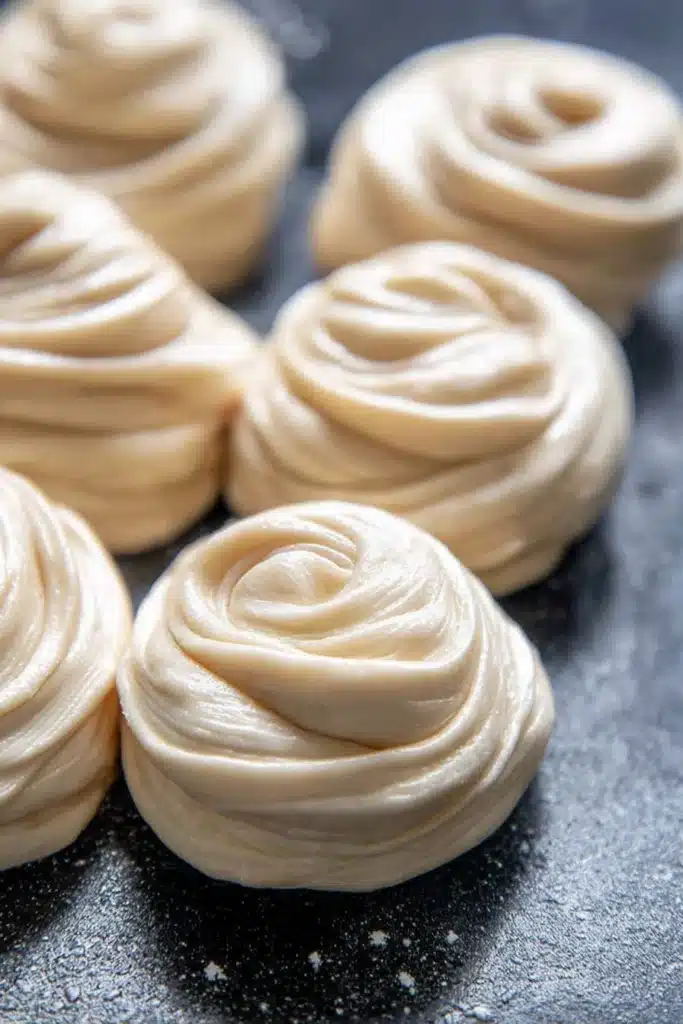
Brush with oil or ghee, then fold and roll into a spiral. After that, let it rest briefly before flattening it gently. This step creates the signature layers in Flaky Roti Canai.
Cooking Until Golden and Flaky
Heat a lightly oiled pan over medium heat. Then, cook each flattened piece until golden on both sides.
Press lightly while cooking, and finally clap or crush the bread gently. As a result, the layers separate and become beautifully flaky.

Tips for Perfect Flaky Layers Every Time
Making Flaky Roti Canai becomes easier once you understand a few key tips. Although the process takes practice, small adjustments make a big difference.
Achieving the Right Dough Consistency
The dough should feel soft and slightly springy. If it feels sticky, add a little flour. However, if it feels dry, add a bit of water. As a result, you get a smooth and workable texture.
Why Resting Time Is Critical
Resting allows the gluten to relax fully. Therefore, the dough stretches easily without tearing. If you skip this step, the dough resists stretching and becomes tough.
How to Stretch Dough Thin Without Tearing
Use oiled hands and a lightly greased surface. Then, stretch gently from the edges outward. Meanwhile, move slowly and avoid pulling too hard. This helps you get thin layers without holes.
Cooking Techniques for Crisp and Soft Texture
Cook on medium heat so the outside crisps without burning. Also, use a little oil for better browning. Finally, clap the bread to separate layers and boost flakiness.
Common Variations of Roti Canai
Flaky Roti Canai has many variations, which makes it fun to customize. Depending on your taste, you can go sweet or savory.
Sweet Versions with Sugar or Condensed Milk
You can add sugar or condensed milk directly to the dough. As a result, the bread turns slightly sweet and softer. Some people also sprinkle sugar on top after cooking for a quick treat.
Savory and Stuffed Variations
For savory options, you can stuff Flaky Roti Canai with eggs, onions, or cheese. Meanwhile, some versions include spiced fillings or minced meat. These variations turn it into a hearty meal.
Serving Suggestions for Flaky Roti Canai
Flaky Roti Canai tastes best fresh and warm. You can serve it with curry, dhal, or even simple dips.
Meanwhile, for a sweet option, drizzle condensed milk or sprinkle sugar on top. Because it is so versatile, it works for breakfast, brunch, or even a light dinner.
If you enjoy quick breakfast ideas, you might also like How to Make Soft Microwave Scrambled Eggs for a Quick Breakfast or Easy Microwave Pancake in a Mug for Busy Mornings.
Storage, Freezing, and Reheating Tips
Flaky Roti Canai stores well, so you can make it ahead of time. However, proper storage keeps the texture fresh and enjoyable.
Storing Dough and Cooked Roti
You can refrigerate the dough overnight and bring it to room temperature before using. Meanwhile, cooked roti can stay in the fridge for a couple of days. Also, you can freeze cooked pieces for longer storage.
How to Reheat Without Losing Flakiness
Reheat Flaky Roti Canai on a pan over medium heat. This helps restore the crisp exterior. Avoid microwaving, as it can make the bread soft and chewy instead of flaky.
Other Recipes You May Enjoy
- Fluffy Microwave French Toast Recipe in Minutes
- Quick Microwave Omelette Recipe for Protein-Packed Breakfast
- Simple Microwave Banana Bread for a Sweet Breakfast Treat
- Easy Breakfast Recipes You Can Make in the Microwave
Frequently Asked Questions About Flaky Roti Canai
What makes roti canai crispy?
The thin stretching and proper cooking create a crispy outer layer. Also, oil or ghee helps develop that golden texture.
Is roti supposed to be flaky?
Yes, Flaky Roti Canai should have visible layers. When done right, it becomes crisp outside and soft inside.
What are the ingredients in crispy roti?
Basic ingredients include flour, water, salt, and oil or ghee. Optional additions like sugar or condensed milk can change the texture.
What is the description of roti canai?
Flaky Roti Canai is a layered flatbread with a crispy exterior and soft, stretchy interior. It pairs well with both sweet and savory dishes.
Final Thoughts
Flaky Roti Canai may take time, yet the result feels incredibly rewarding. Because each step builds texture, you end up with crispy, layered bread that tastes amazing fresh off the pan.
Also, once you try it, you will likely want to make it again and again. Meanwhile, you can experiment with flavors and fillings to match your taste. For more simple and tasty ideas, check out my recipes on Pinterest pinterest.

Flaky Roti Canai

Equipment
- Mixing bowl
- rolling surface
- Skillet or frying pan
Ingredients
- 2 cups all purpose flour
- ½ tsp salt
- ½ cup hot water
- ¼ cup room temperature water
- 3 tbsp oil or ghee (plus extra for coating)
- 1 tbsp sugar or condensed milk (optional)
Instructions
- In a bowl, mix flour and salt. Add hot water and stir until clumps form. Then add room temperature water gradually until a soft dough forms.
- Knead the dough until smooth and elastic. Adjust with small amounts of flour or water if needed.
- Divide into equal portions and coat lightly with oil. Let rest for at least 2 hours or overnight.
- Stretch each portion very thin until almost transparent. Brush with oil, then fold and roll into a spiral shape.
- Flatten gently and cook on a lightly oiled pan over medium heat until golden and crisp on both sides.
- Clap or lightly crush the cooked roti to separate layers before serving.