Pie crust makes every Christmas pie taste warm and joyful, and this buttery version brings rich flavor with tender, flaky layers. You get simple steps, easy ingredients, and confidence from the first mix to the final roll. I love how quickly this dough comes together, and you will enjoy how reliable it feels on a busy holiday baking day. This guide shows how to prepare, chill, roll, and bake a golden crust that works for sweet or savory pies. You can use it for everything from apple pie to pot pie, and the texture stays crisp because the dough stays cold. Keep reading because each step helps you build a perfect Christmas crust.
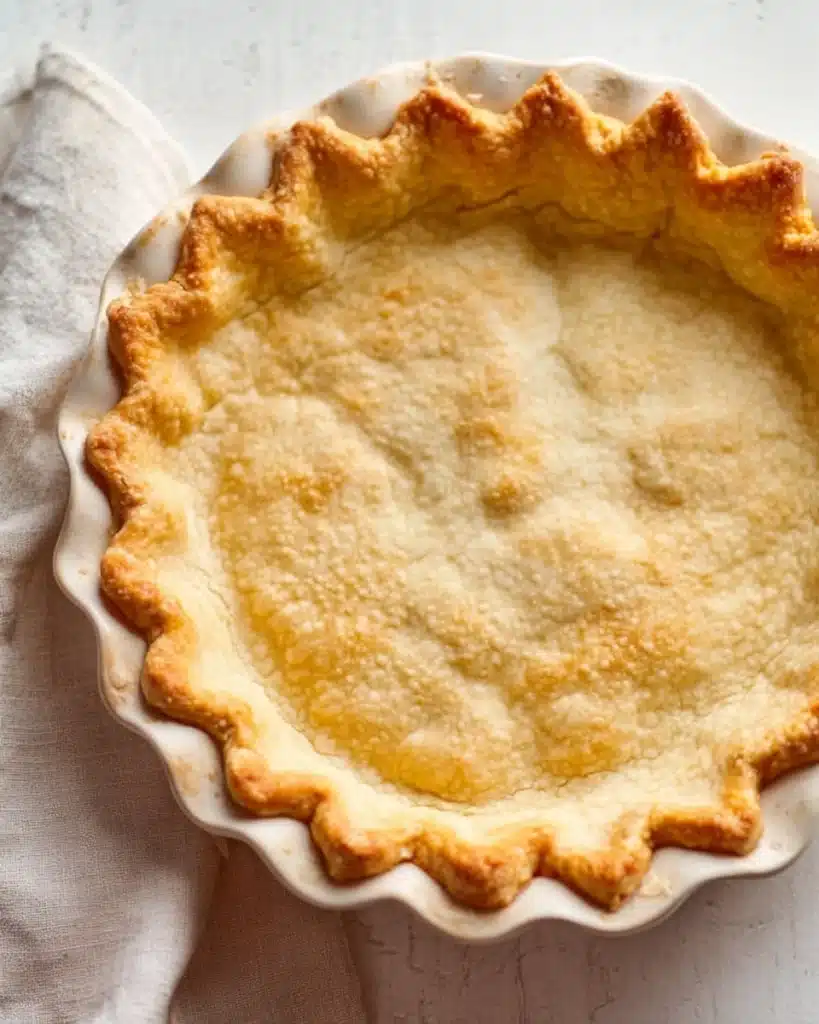
Table of Contents
Why You’ll Love This Homemade Pie Crust
This pie crust tastes rich, buttery, and wonderfully flaky. You get all natural ingredients that work well for sweet and savory Christmas pies. You can also enjoy how simple the process feels because the steps stay clear and approachable. Cold butter, gentle mixing, and short chilling time give you dependable results. You can even prepare two single crusts or one double crust, so the recipe adapts easily to holiday plans. Because the dough stays flexible, you can shape it for decorative edges or simple folds. It also bakes into a crisp crust that holds juicy fillings beautifully.
Ingredients You’ll Need
You need all purpose flour for structure, and you need sugar for a soft touch of sweetness that works for Christmas pies. Salt brings balance and keeps the flavor warm. Butter creates flaky layers that melt in each bite, and that is why the butter must stay cold. Ice water pulls the dough together without making it tough. You also need extra flour for dusting because this helps prevent sticking. Cold ingredients matter because they keep butter solid, and solid butter turns into flaky pockets once baked. These simple ingredients come together fast.
Step by Step: How to Make Pie Crust
Combine Dry Ingredients
Start by mixing the flour, sugar, and salt in a food processor so the ingredients spread evenly. You can also whisk them in a bowl if you prefer a pastry cutter. This step keeps the base balanced before you add the butter.
Cut in Cold Butter
Next add the cold diced butter. If you use a food processor, pulse until you see coarse crumbs with some pea sized bits. If you use a pastry cutter, toss the butter in flour, then cut until the mixture looks the same. These visible pieces of butter help the pie crust turn flaky, so keep them intact.
Add Ice Water
Then add seven tablespoons of ice water. Pulse or stir gently until you see small clumps forming. Use the pinch test by squeezing a little dough in your fingers. If it sticks together without crumbling, it is ready. If it feels dry, add another teaspoon of water at a time. Keep the dough cold during this step.
Form and Chill the Dough
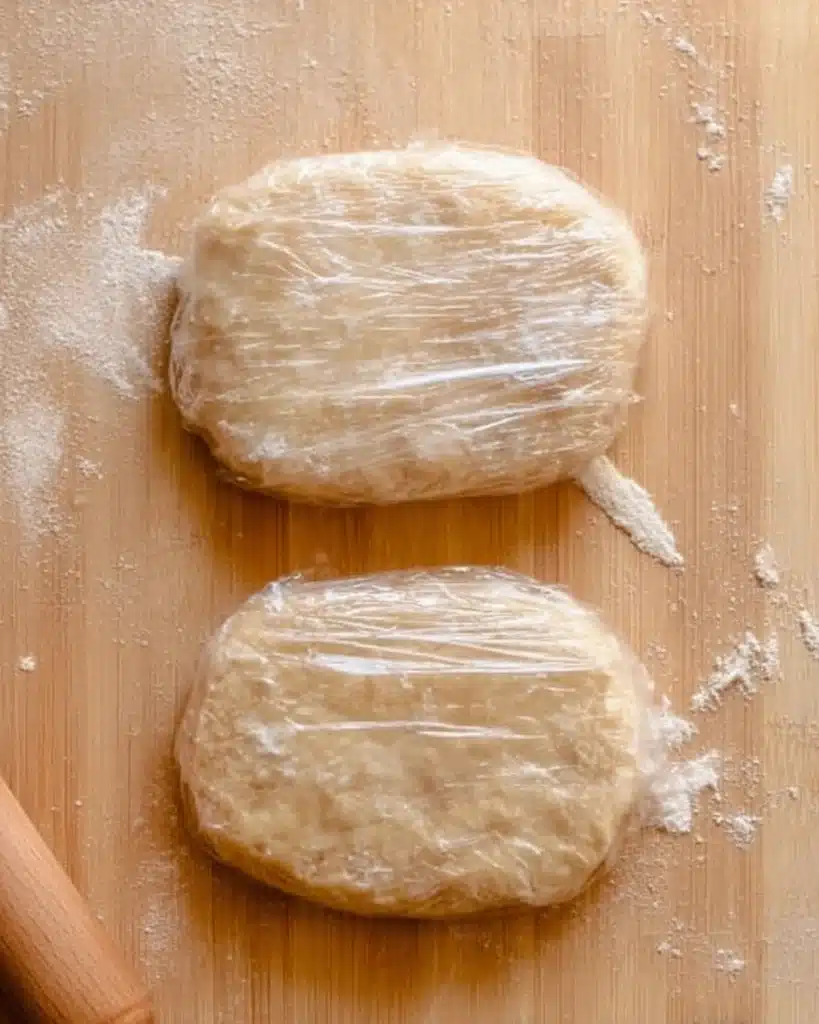
After the dough comes together, press it gently on a clean surface. Do not knead it because kneading activates gluten. Divide the dough into two equal pieces and flatten each into a disk. Wrap both disks tightly in plastic. Chill for one hour so the butter firms back up. This step helps the pie crust bake evenly and stay tender.
Rolling Out and Shaping Your Pie Crust
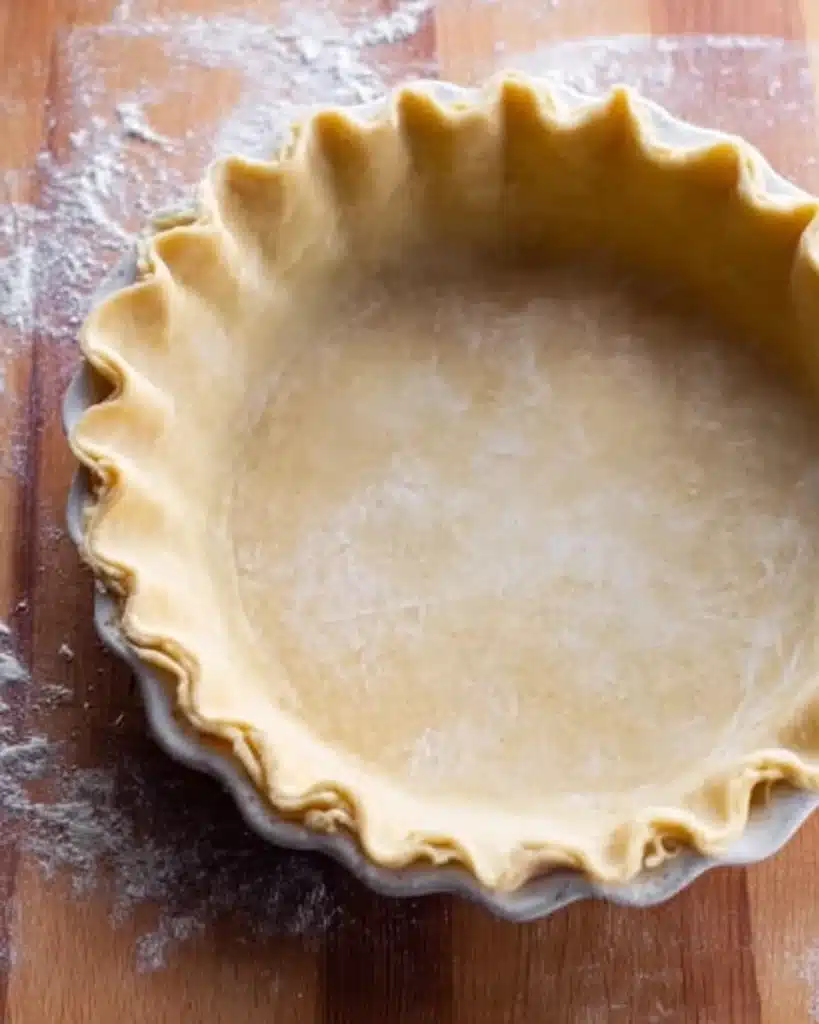
Once the dough chills, let it sit for a few minutes if it feels too firm to roll. Lightly flour your surface and roll one disk into a twelve inch circle. Keep the rolling even while you lift and turn the dough so it does not stick. Then transfer it gently into a nine inch pie dish. Press the dough into the edges without stretching it. If cracks appear, pinch them together with a little extra dough. You can also trim any long edges or tuck them under for a thicker rim. This creates support for juicy Christmas fillings.
How to Crimp or Flute Pie Edges
To make pretty festive edges, place the dough between your thumb and index finger, then press with your opposite index finger from inside the crust. Move around the rim and repeat the same motion so the pattern stays even. This gentle pressure creates a classic fluted shape that holds its form while baking. You can also try smaller pinches for a tighter look. This simple touch brings holiday charm.
Blind Baking Pre Baking Instructions
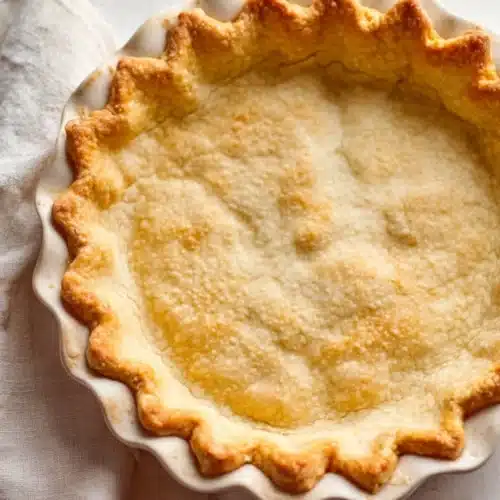
If your recipe needs a pre baked crust, chill the shaped crust for thirty minutes in the freezer. This helps prevent shrinking. After chilling, line the crust with parchment and fill it with pie weights. Bake at four hundred twenty five degrees Fahrenheit for seventeen minutes. Then remove the weights carefully, prick the base with a fork, and bake another five minutes until the surface looks dry and lightly golden. Let the crust cool fully before adding fillings. You can use dry beans or rice as weights, although beans cannot be cooked afterward. Rice works later for pilaf if you toast it.
Troubleshooting Common Pie Crust Issues
If your dough feels crumbly, add a little more water one teaspoon at a time. If the dough looks smooth instead of shaggy, you may have mixed too much, and that can cause a tough crust. If you struggle to roll the dough because it feels stiff, let it rest at room temperature for ten minutes. If the butter starts melting, return the dough to the fridge for a short chill. These small adjustments help you maintain flakiness and shape.
Make Ahead and Storage Tips
You can refrigerate the dough for up to three days, and you can freeze it for up to three months. Wrap it tightly so the texture stays fresh. When you want to use frozen dough, thaw it slowly in the refrigerator. You will notice that the crust stays flaky if you handle it gently and keep it cold until baking. This flexibility makes it perfect for busy Christmas weeks.
Expert Tips for the Flakiest Results
Keep your butter very cold and add water gradually. Also work quickly so the dough stays firm. Chilling the dough as directed helps lock in buttery pockets. Remember that you should still see the butter flecks because those create flaky layers. Do not overmix because too much movement builds gluten. Each of these habits supports a tender, crisp Christmas pie crust.
Serving Ideas for Christmas
You can fill this pie crust with Christmas classics like pecan pie or apple pie. You can also turn it into a savory pot pie that tastes rich and comforting. The buttery flavor pairs beautifully with festive fillings and holds up well when sliced. You can even serve it alongside sweets like the creamy cherry snowball cookies for the holidays or the soft gingerbread cookies for Christmas dessert trays. You can also try the white chocolate cranberry tart – the perfect pie alternative for a fun seasonal twist.
Other Recipes You May Enjoy
- creamy cherry snowball cookies for the holidays
- classic sourdough peach cobbler with a festive twist
- white chocolate cranberry tart – the perfect pie alternative
- soft gingerbread cookies for Christmas dessert trays
- Christmas crack with saltine toffee – an irresistible treat
- festive peppermint brownies with fudgy layers
Frequently Asked Questions
How do you describe pie crust?
Pie crust tastes buttery and flaky with a tender bite. It holds sweet or savory fillings and bakes into a crisp shell.
What makes the best pie crust?
Cold butter, gentle mixing, and enough water to help the dough bind create the best texture.
How is pie crust made?
You mix dry ingredients, cut in cold butter, add ice water, shape the dough, chill it, roll it out, then bake it.
What is the crust of a pie called?
It is simply called pie crust, although some people call the top layer a pie lid when using a double crust.
Conclusion
This buttery pie crust feels simple, reliable, and perfect for Christmas baking. You can follow the clear steps and enjoy a tender, flaky texture every time. You can make it ahead, freeze it, or shape it for any holiday pie you love. Try it during your next baking day and enjoy how beautifully it bakes.
Before you go, you can also find holiday inspiration on my Pinterest page at Pinterest.
All Butter Pie Crust

Equipment
- Food processor or mixing bowl
- Pastry cutter (optional)
- Rolling Pin
- Pie dish
- Parchment paper
- Pie weights, beans, or rice
Ingredients
- 2 ½ cups all purpose flour
- ½ tablespoon granulated sugar
- ½ teaspoon sea salt
- ½ pound cold unsalted butter, diced into 1/4 inch pieces
- 7-8 tablespoons ice water
- extra flour for dusting
Instructions
- Pulse flour, sugar, and salt in a food processor to combine. Or whisk together in a bowl.
- Add cold diced butter. Pulse or cut in with a pastry cutter until the mixture has coarse crumbs with pea sized bits.
- Add 7 tablespoons ice water and pulse or stir until small clumps form. Add more water 1 teaspoon at a time if needed.
- Gather dough and gently press into a ball. Divide in half, flatten into disks, wrap, and chill for 1 hour.
- Roll chilled dough into a 12 inch circle on a floured surface. Transfer to a 9 inch pie dish and gently press into place.
- Tuck excess dough under for a thicker edge. Crimp or flute edges if desired.
- For blind baking, chill shaped crust 30 minutes, then line with parchment and fill with pie weights. Bake at 425°F for 17 minutes, remove weights, prick bottom, and bake 5 more minutes.