Craving something sweet, filling, and high in protein? These homemade protein bars come together in just 5 minutes with no baking required. They’re creamy, chewy, and totally customizable for your taste. Whether you need a quick breakfast, post-workout snack, or a meal prep staple, these bars deliver easy energy with wholesome ingredients.
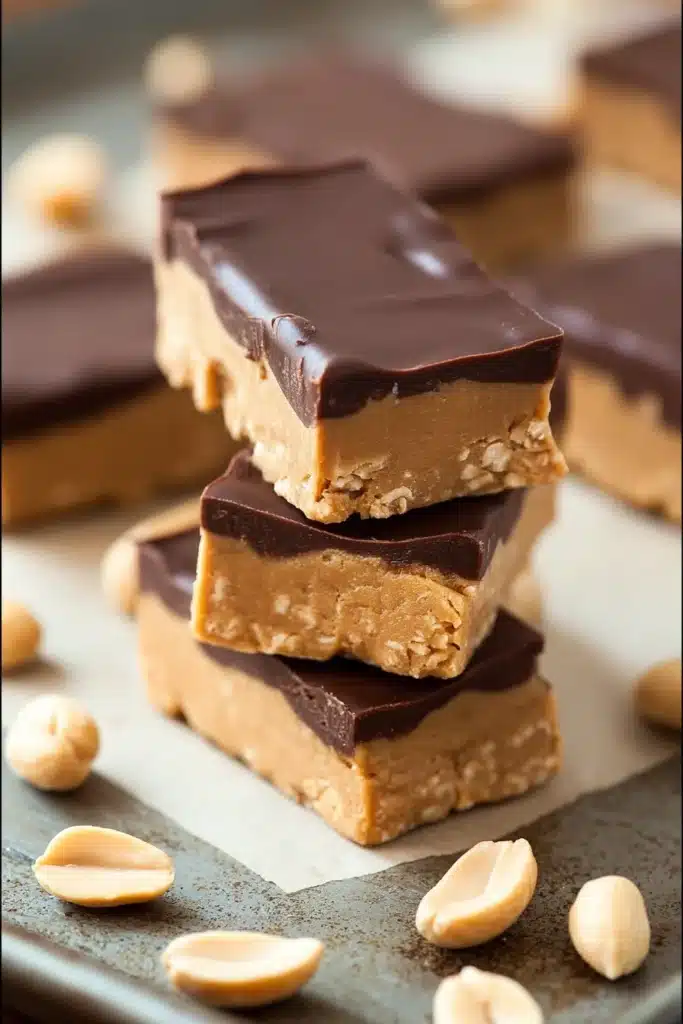
Table of Contents
Why You’ll Love These Homemade Protein Bars
These homemade protein bars are simple, fast, and packed with clean ingredients. You only need one bowl and a few pantry staples, so they’re perfect for busy mornings or quick snack prep. Unlike store-bought bars, they’re not chalky or full of added sugar. Instead, you get a soft, doughy texture with rich peanut butter flavor and a touch of natural sweetness. They’re fully customizable too, so you can create flavors like chocolate chip, banana bread, or cookie dough with simple swaps. Because they stay firm when chilled, they’re ideal for meal prep, gym snacks, or lunchbox treats. You’ll save money, skip additives, and enjoy real, satisfying fuel anytime.
Ingredients You’ll Need
Core Ingredients
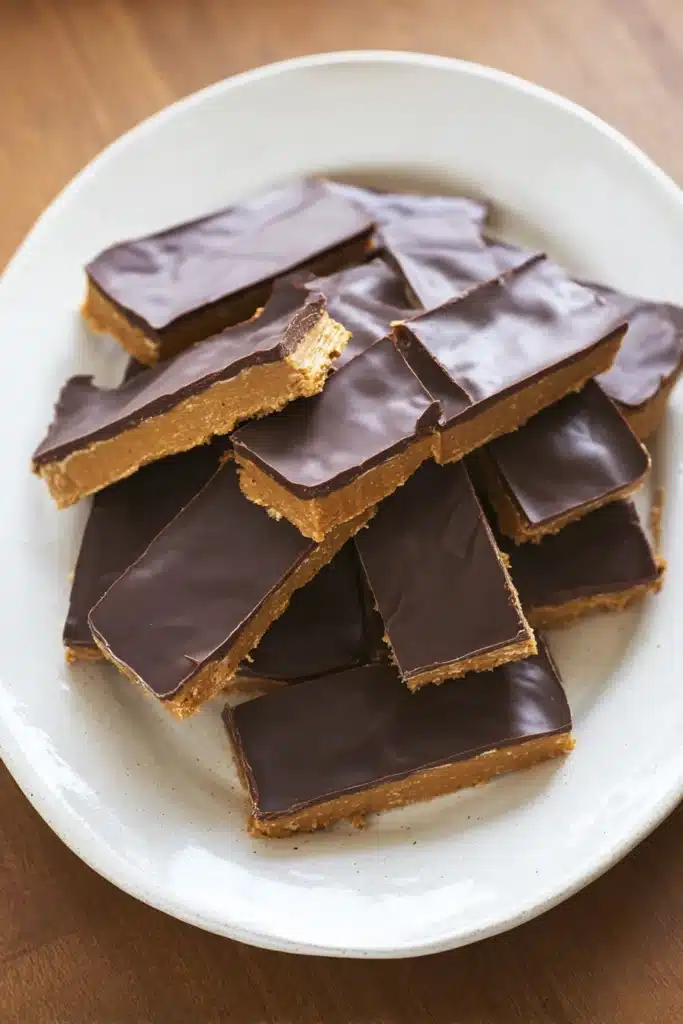
You’ll start with peanut butter for creaminess and healthy fats, but you can also use almond, cashew, or a nut-free spread. Protein powder gives structure and boosts nutrition, while maple syrup or honey adds sweetness and helps bind the mixture. A small amount of salt brings out the flavor. For a touch of indulgence, drizzle or dip the bars in melted chocolate. Each of these simple ingredients comes together to form a soft, balanced bar that’s naturally sweet and perfectly chewy.
Ingredient Substitutions and Dietary Options
To make your protein bars vegan, use plant-based protein powder and maple syrup. For nut-free, swap peanut butter with sunflower seed butter. They can also be made gluten-free, dairy-free, paleo, keto, or even with oat flour instead of protein powder—just add a little extra sweetener.
How to Make Protein Bars (Step-by-Step)
Mixing the Dough
In a medium bowl, mix peanut butter, protein powder, maple syrup, and salt until a thick dough forms. The texture should be soft but not sticky. Stir until everything blends evenly, adjusting with a little more syrup or protein powder if needed.
Shaping and Chilling
Shape the dough by hand into bars or press it evenly into a lined 8×8-inch pan. Then chill in the fridge for at least 30 minutes until firm. Once set, slice into bars of your preferred size. These hold their shape best when kept cool.
Optional Chocolate Coating
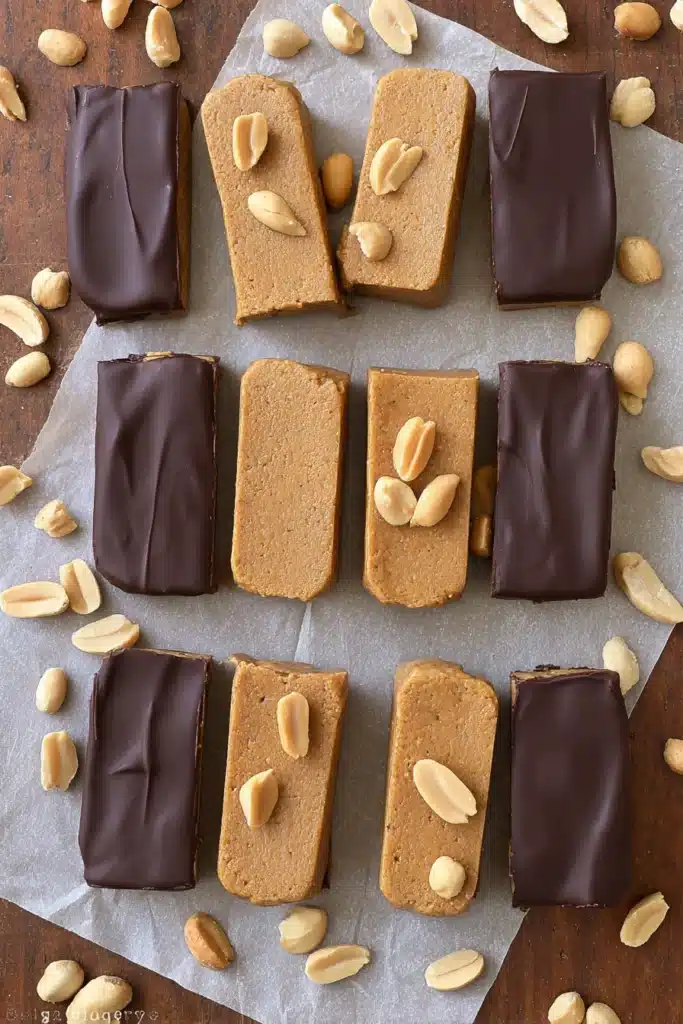
If you want a rich chocolate finish, melt chocolate chips and spread a thin layer over the bars before chilling. For smoother texture, stir in a teaspoon or two of oil before coating. You can also dip individual bars for a candy bar-style finish.
Protein Bar Flavor Variations
You can make endless flavors from this simple base. Add cocoa powder for chocolate bars, crushed peanuts for peanut butter cup flavor, or mashed banana and cinnamon for banana bread style. Mix in mini chocolate chips for cookie dough bars or blend hazelnut butter with cocoa for a chocolate hazelnut twist. Sprinkle in shredded coconut, chia seeds, or cinnamon to enhance texture and flavor. Each variation keeps the bars soft and flavorful while adding your own personality to every bite.
Choosing the Best Protein Powder
Unsweetened protein powder works best for this recipe since the bars are naturally sweetened. Whey protein gives a smooth, soft texture, while plant-based powders create a slightly firmer bite. Depending on the brand, each bar offers around 10–12 grams of protein, or up to 20 grams for larger portions. The type of protein you use will affect not only nutrition but also taste, so pick one you enjoy mixing into smoothies.
Storage, Texture, and Make-Ahead Tips
Store these protein bars in the fridge for up to a week for the best firmness and freshness. The cold helps them stay chewy and dense instead of softening. For longer storage, freeze them individually wrapped, then thaw when needed. Their doughy texture feels smooth and satisfying, not dry or chalky like many packaged options. Because they hold well, they’re great for meal prepping a week’s worth of snacks or quick breakfasts.
Other Recipes You May Enjoy
- high-protein broccoli cheddar soup
- crustless quiche high-protein breakfast
- homemade blueberry protein muffins
- tater tot sausage breakfast casserole
- healthy banana oatmeal bars
- peanut butter energy bites
Frequently Asked Questions
What are protein bars good for?
They’re great for fueling workouts, keeping you full between meals, and helping muscle recovery.
Do doctors recommend protein bars?
Yes, when made from whole ingredients and eaten as part of a balanced diet, they can be a healthy protein source.
Why are protein bars so popular?
They’re convenient, portable, and often taste like dessert while providing steady energy and nutrition.
How do you describe a protein bar?
Soft, chewy, and slightly sweet, with a satisfying mix of protein, healthy fats, and flavor.
Final Thoughts
These no-bake protein bars are a quick, wholesome way to stay energized. You can make them in minutes, customize the flavors, and enjoy clean ingredients you can trust. Try a few combinations to find your favorite, and soon these easy, high-protein snacks will become part of your weekly routine. For more recipe inspiration, check out my Pinterest board.
Protein Bars

Equipment
- Mixing bowl Large enough to mix all ingredients.
- Spatula For stirring and spreading evenly.
- 8×8 inch pan Line with parchment for easy removal.
- Refrigerator Used to chill bars until firm.
Ingredients
- 1 ½ cups peanut butter or any nut/seed butter
- ¾ cup protein powder (about 90g)
- ¼ cup maple syrup or honey
- ½ teaspoon salt
- 4 oz melted chocolate chips (optional, for coating)
Instructions
- In a bowl, combine peanut butter, protein powder, maple syrup, and salt. Stir until a thick dough forms.
- Shape into bars by hand or press the dough into a lined 8×8 inch pan. Chill until firm, then slice.
- For a chocolate finish, spread melted chocolate on top or dip each bar. Chill again until set.